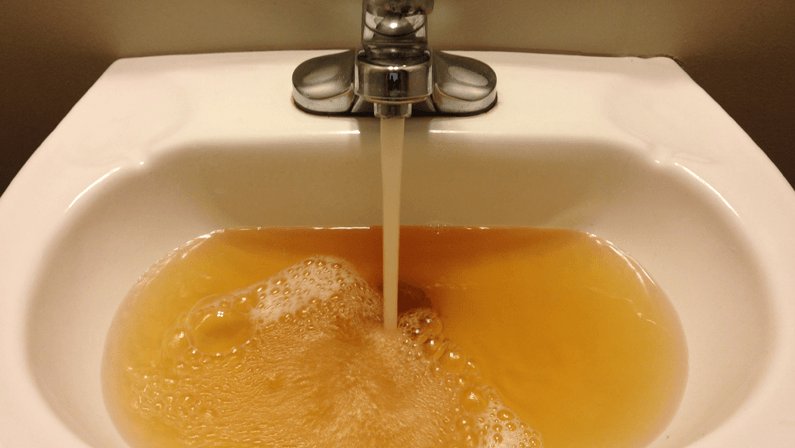
When we turn on the tap, we expect nothing less than crystal-clear, odorless water. When that expectation is broken by a stream of tinted or murky liquid, it is natural to feel concerned. While the term “contaminant” sounds alarming, it is important to understand that water discoloration is often caused by the movement of minerals and sediments that occur naturally or as a byproduct of aging infrastructure.
In most cases, water discoloration is an aesthetic issue caused by the degradation of the pipes themselves. However, identifying exactly what is in your water can help you determine the source of the problem and the best path toward a permanent fix.
1. Iron: The Primary Culprit
If your water takes on a yellowish, orange, or reddish-brown hue, iron is almost certainly the cause. Iron is one of the most abundant elements on Earth, and it is a common component in both groundwater and municipal systems.
When iron interacts with oxygen, it oxidizes to form rust. This process is the heart of plumbing and corrosion in older homes. As galvanized steel pipes age, the zinc coating that protects the iron wears away, leaving the raw iron exposed to the water. This reaction creates the iron oxide particles that we see as discoloration. If you are wondering why tap water turns brown, it is frequently because these oxidized iron particles have been dislodged from the interior walls of your pipes and are flowing through your faucet. Because oxidation frequently coincides with pipe deterioration, consulting certified lead water testing experts in New York City ensures that dislodged rust scale does not carry toxic heavy metals.
2. Manganese: The Darker Tint
Manganese often appears alongside iron. Like iron, it is a naturally occurring mineral. While iron-heavy water tends to look red or orange, manganese-rich water often takes on a darker brown or even black appearance.
Manganese is commonly found in groundwater. When it enters your pipes, it can coat the interior surfaces, much like rust. Because it is highly reactive to changes in flow velocity, even a small shift in municipal pressure—perhaps due to work on the city infrastructure—can dislodge manganese deposits, resulting in a sudden, dark plume of discolored water.
3. Sediment: Sand, Silt, and Clay
Sometimes, the discoloration is not caused by a chemical reaction, but by physical particles. Sand, silt, and clay are forms of sediment that can enter your water supply through the municipal system.
This often happens after a water main break or during a high-demand period where water is moving through the city’s underground grid at higher-than-normal speeds. When these physical sediments enter your home, they are usually trapped by your aerators (the screens at the end of your faucets). If you notice your water is gritty or sandy, it is a clear sign that physical sediment, rather than oxidized metal, is the contaminant. Water main disruptions often stir up internal plumbing sediment, making lead in household water testing in the Bronx a necessary step for verifying domestic tap safety.
4. Biofilm: A Biological Factor
While less common than mineral discoloration, biological growth can sometimes tint water. “Biofilm” is a thin, slimy layer of bacteria and organic matter that can grow inside pipes that have low flow or are consistently damp.
If your water appears cloudy or slightly discolored and is accompanied by a musty, earthy, or “rotten” smell, you may be dealing with biological activity. Biofilm is more common in pipes that are not frequently flushed. If you notice these symptoms, it is imperative that you stop using the water for consumption and contact a professional to have it tested.
The Role of Water Chemistry
The “aggressiveness” of your water plays a massive role in how these contaminants appear. For example, if your local water is slightly acidic (low pH), it will naturally dissolve the metal in your pipes much faster than neutral or alkaline water.
This is why, even in cities with excellent water treatment, residents of older buildings may still face discoloration. The water is perfectly treated when it leaves the reservoir, but it becomes “contaminated” with rust and minerals the moment it touches the corroded pipes inside the building. Understanding your local water service is a great way to see if your local chemistry is particularly prone to causing these reactions.
Are These Contaminants Safe?
According to the Environmental Protection Agency (EPA), iron and manganese are categorized as secondary contaminants. They are regulated based on their aesthetic impact—taste, odor, and color—rather than their toxicity.
However, “aesthetic” does not mean “acceptable.” Drinking metallic-tasting water or using rust-colored water for cooking is not ideal. Furthermore, sediment and mineral buildup can significantly damage your home’s plumbing and appliances. They clog showerheads, destroy dishwasher intake valves, and leave permanent stains on your clothing and sinks.
Proactive Steps for Clearer Water
If you are dealing with persistent discoloration, you have options:
- Determine the Source: Is it just the hot water? If so, the issue is likely your water heater. If it is all taps, it is likely your building’s main service line.
- Test Your Water: If you are unsure what is causing the color, a certified laboratory test is the only way to know exactly what is in your glass. This is especially important if you live in an older home and are concerned about lead or copper.
- Install Filtration: A high-quality sediment filter installed at the main entry point of your home can capture rust flakes and sand before they reach your faucets.
- Consult Our FAQs: For more tips on identifying the cause of your water issues, visit our frequently asked questions page for common troubleshooting scenarios.
When to Seek Professional Help
If your water discoloration is accompanied by a sudden drop in pressure, a foul smell, or persistent grit, it is time to call a professional. These signs indicate that your pipes are physically failing, not just releasing a little bit of rust.
If you are a homeowner, constant discoloration is a signal that your internal plumbing system is likely near the end of its lifespan. For buildings with old galvanized steel, there is no “cleaning” the internal rust. The only permanent fix is a full repipe, which replaces failing, sediment-prone pipes with modern, non-corrosive materials like PEX or copper.
For more deep dives into how aging infrastructure impacts your daily life, be sure to explore our blog. By understanding the contaminants that cause these issues, you can stop guessing and start taking the necessary steps to ensure your home’s water is always clean, clear, and reliable.
Disclaimer: This information is for educational purposes. If you suspect your water is contaminated by biological threats, or if you are concerned about heavy metals like lead or copper, contact your local water utility or a licensed professional for formal testing immediately.