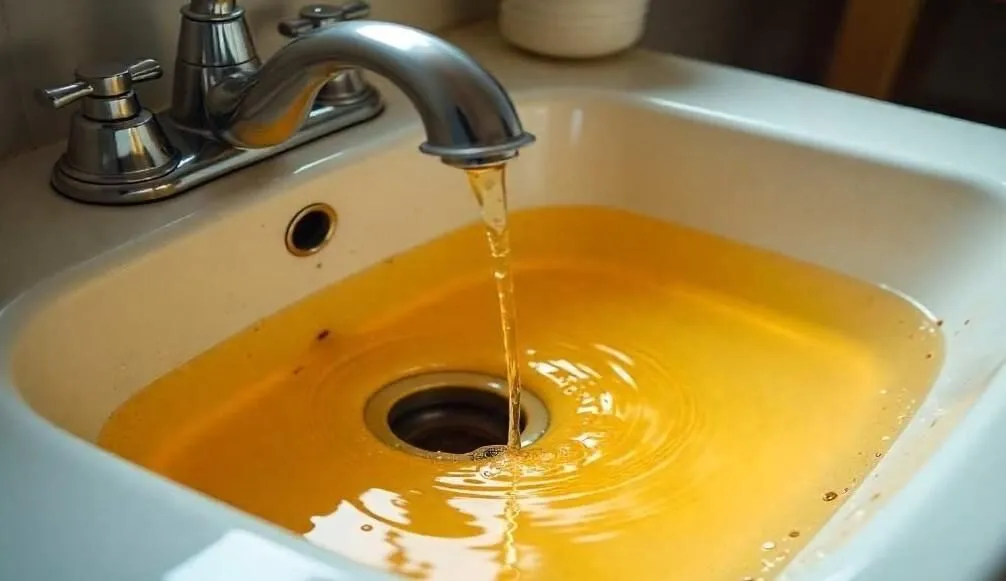
Should You Shower in Brown Water?
We have all been there: you have a busy morning, you step into the shower, you turn the handle, and instead of clear, refreshing water, you are greeted with a murky, orange-tinted stream. Your first thought is naturally one of hesitation. Is it safe to step into this? Will it leave me cleaner or dirtier? And, most importantly, what are the potential risks?
When the water coming from your showerhead is discolored, it is a sign that your home’s plumbing system is struggling. While the occasional “brown water event” might feel like a minor inconvenience, it is important to understand what is happening behind the walls and whether or not you should postpone your shower until the pipes clear up.
The Chemistry of the Shower: Why Is It Brown?
The discoloration you see is almost universally caused by the presence of iron, manganese, or sediment. In many residential settings, especially in older buildings, this is the direct result of plumbing and corrosion.
Over the course of decades, galvanized steel pipes—a common feature in prewar buildings—develop a thick internal layer of rust. Under normal, steady flow, this rust stays relatively trapped against the pipe walls. However, if there has been a recent shift in water pressure, or if the water has been sitting stagnant in your pipes overnight, these rust particles are scoured from the walls and carried into your showerhead. This is precisely why tap water turns brown—it is the plumbing equivalent of a pipe “shedding” its internal buildup. Older galvanized risers frequently release heavy particles into shower heads, which is why booking professional lead water testing services in New York City is essential for protecting household hygiene.
Is It Safe to Shower in Discolored Water?
From a strictly dermatological perspective, showering in water that is discolored by iron or rust is generally considered low-risk for most healthy adults. The Environmental Protection Agency (EPA) regulates these minerals as “secondary contaminants,” meaning they affect the aesthetic quality of the water (color, taste, smell) rather than its safety in terms of acute toxicity.
However, “low-risk” does not mean there are no downsides. If you decide to shower in brown water, you should be aware of a few factors:
1. Skin and Hair Sensitivity
Iron and manganese are minerals, but they are not exactly “skin-friendly” in high concentrations. If you have sensitive skin, eczema, or are prone to irritation, high-iron water can be drying. Furthermore, iron deposits can occasionally alter the appearance of your hair—particularly if you have light-colored, color-treated, or porous hair. Repeated exposure to iron-rich water can leave your hair feeling straw-like or cause it to take on a brassy, orange tint.
2. The Hidden Contaminants
The real danger is not the rust itself, but what the rust might be hiding. If your home has aging pipes that are prone to rusting, there is a possibility that those same pipes—or the solder joints connecting them—contain lead. While lead is not absorbed through the skin, the concern arises if you have any open cuts, rashes, or if you accidentally ingest the water while showering. If you live in an older home, it is always safer to wait for the water to run clear. Identifying hidden contaminants behind rust stains requires thorough diagnostics, including professional lead water testing services for Manhattan apartments with aging branch piping.
3. Bacterial Concerns
If the brown water is accompanied by a foul, musty, or “rotten egg” odor, you should never shower in it. These smells are often a sign of biofilm or decaying organic matter within the pipes, which can harbor bacteria. Stepping into a shower with contaminated water could lead to skin infections or rashes, especially if you have compromised skin health.
How to Handle a Brown Water Event
If you turn on your shower and the water is discolored, you have a few practical options to get your day back on track:
- The 15-Minute Flush: Often, the discoloration is just a concentrated plug of rust-heavy water that has been sitting in your lines. Run the cold water for 15 to 20 minutes. If the water runs clear, you have effectively “flushed” the system, and it is usually safe to use.
- Check the Source: Is it just the shower, or is it every tap in the house? If it is everywhere, the issue is likely your building’s main line or the city infrastructure supply. If it is only the shower, the problem might be localized to your bathroom’s branch line.
- The Hot vs. Cold Test: If the cold water is clear but the hot water is brown, your water heater is likely full of sediment. In this case, you can safely shower by adjusting your water heater temperature (if the unit allows) or, better yet, opting for a quick, cool shower until you can have the tank flushed.
- Consult Local Resources: If you live in an apartment, notify your building management. They may be performing maintenance, or they may be unaware that a major leak is occurring elsewhere in the building. Our frequently asked questions can help you frame the conversation with your building management to ensure they take the issue seriously.
When Should You Definitely Skip the Shower?
You should skip the shower if:
- The water is dark, black, or contains visible grit.
- There is a persistent, foul smell.
- The city has issued a “boil-water” advisory.
- The discoloration does not clear up after 20 minutes of running the tap.
In these scenarios, you are not dealing with a simple “morning rust flush.” You are dealing with a significant plumbing failure that requires a professional inspection of your local water service.
Long-Term Solutions
If you find yourself constantly showering in brown water, you have reached the point where simple flushing is no longer enough. Aging pipes will not heal themselves; they will only continue to degrade.
Many homeowners and cooperatives are finding that a professional repipe—replacing old, galvanized steel with modern, non-reactive materials like PEX or new copper—is the only way to permanently resolve the issue. While this is a significant project, it restores your water pressure, eliminates rust and potential heavy-metal leaching, and brings your building’s infrastructure into the modern era.
For more tips on how to manage your home’s water quality and when to call in a licensed plumber, be sure to browse our blog. You deserve to step into a shower that feels clean and refreshing every single time. Don’t let aging pipes be the reason you start your day on a sour note.
Disclaimer: This information is for educational purposes. If you are experiencing persistent brown water, or if you suspect your water has been contaminated by hazardous materials, contact your local water utility or a licensed professional for testing immediately.