There is something uniquely special about living in a prewar building. From the soaring ceilings and intricate crown moldings to the thick, sound-dampening walls, these architectural gems offer a sense of character that modern developments simply cannot replicate. Yet, for all their charm, prewar buildings come with a specific set of challenges. One of the most common—and frustrating—experiences for residents is turning on the tap to find the water running a murky, rust-colored brown.
If you are currently dealing with this issue, you aren’t alone. It is a recurring theme in older residential architecture. While it can be alarming, understanding the “why” behind the discoloration is the first step toward getting your water back to its pristine state.
The Age of Your Pipes: The Hidden Culprit
The primary reason prewar buildings struggle with water quality is the material used in their original plumbing. Most of these structures were built at a time when galvanized steel was the industry standard. These pipes were designed to be durable, but they were never intended to last for a century.
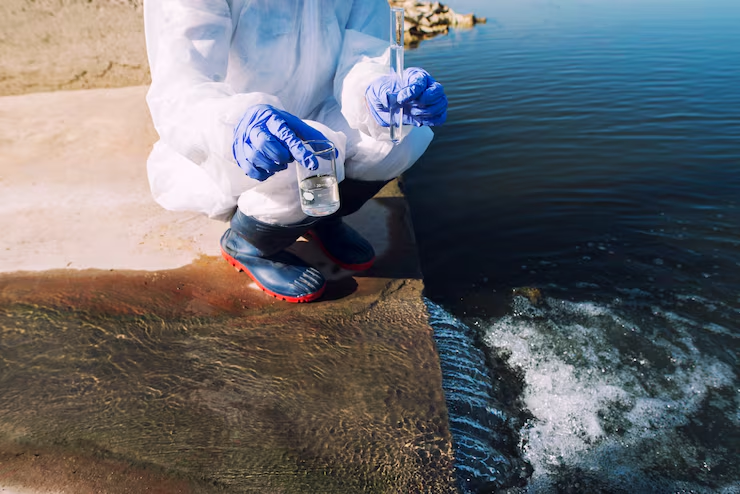
Over time, plumbing and corrosion become inevitable. Galvanized steel pipes contain an iron core coated in zinc to prevent rust. Once that thin zinc layer wears away—typically after several decades—the raw iron is exposed to the water inside the pipe. This leads to oxidation, which we see as rust. In a building that is 80 to 100 years old, that rust has likely accumulated into a thick, scaly crust along the inner walls of the riser pipes that run from the basement to your unit. In historic and prewar structures, arranging proactive condominium lead water testing in Queens and metropolitan buildings helps residents distinguish harmless rust from toxic heavy metals.
How Pressure Changes Trigger Discoloration
In a massive, multi-story prewar building, the water distribution system is incredibly complex. Water is pushed from the basement up through vertical “risers” to every floor. Because the plumbing is so old, the system is highly sensitive to changes in pressure.
Whenever a major pressure shift occurs, it acts like a storm for your pipes. Common triggers in prewar buildings include:
- Building Maintenance: If the superintendent shuts off the water to repair a leak in another unit, the subsequent re-pressurization of the system can be violent. As water rushes back into the dry, empty pipes, it “scours” the interior, knocking loose years of accumulated rust.
- High-Volume Use: During the “morning rush,” when residents across the building are showering simultaneously, the increased water velocity can dislodge loose flakes of sediment.
- Municipal Work: Any city infrastructure projects on your street can cause vibrations and pressure surges that travel directly into your building’s service line.
This is the central reason why tap water turns brown in these older structures—the plumbing is effectively “shedding” its internal buildup due to the movement of water.
Is the Water Safe for Residents?
The sight of brown water is off-putting, but it is important to understand what it actually is. The color is typically caused by iron and manganese, which are minerals that occur naturally in the earth and are common in older piping systems. According to the Environmental Protection Agency (EPA), these are classified as secondary contaminants. This means they are regulated based on their aesthetic impact—taste, odor, and color—rather than posing a direct, severe health risk.
That said, “generally safe” is not the same as “drinkable.” You should avoid consuming discolored water, and under no circumstances should you run a load of light-colored laundry. The iron particles will act like a natural dye, leaving permanent rust stains on your clothing and linens.
Diagnostic Steps: Is It Just Your Unit?
Before you contact your management office, you need to determine the scope of the problem. This will help your superintendent diagnose the issue faster:
- Check with Neighbors: If the discoloration is occurring in multiple units on your line, the issue is likely the main building riser. If it is only happening in your unit, it could be your specific branch piping or your kitchen/bathroom fixtures.
- Test Hot vs. Cold: If your cold water is clear but the hot water is brown, the issue is likely a sediment-filled water heater or boiler in the basement.
- Timing Matters: Does it happen every morning? Does it only happen after the building was worked on? Tracking the timing provides a vital clue for your building’s maintenance team.
How to Get Clear Water Again
Living in a prewar building requires a bit of patience and proactive communication. Here is how you can manage the situation:
- Flush the Lines: If you notice discoloration, run your cold water for 15 to 20 minutes. It may seem like a waste of water, but it is the fastest way to flush the dislodged sediment out of your branch line and allow fresh water to flow in.
- Clean Your Aerators: The tiny screens at the end of your faucets, known as aerators, are designed to catch debris. If your water is brown, these screens are likely acting as a trap. Unscrewing them and rinsing out the rust flakes can often immediately improve your water pressure and clarity.
- Communicate Effectively: If the problem persists, document it. Keep a record of the dates and times. If you are unsure of how to report this to management, our frequently asked questions section can help you frame the issue in a way that highlights the need for a professional inspection.
- Use Point-of-Use Filters: If your building’s management is not currently planning a pipe replacement, a high-quality water filter at your kitchen tap is a great way to ensure you have clean drinking water regardless of what is happening in the building’s main lines.
The Future of Prewar Plumbing
If you are in a building that experiences chronic brown water, it is a sign that the plumbing system has reached the end of its useful life. Many prewar cooperatives and condominiums are currently in the process of “re-piping”—a major project that replaces the old galvanized steel with modern, non-corrosive materials like copper or PEX.
While this is a significant undertaking, it is the only permanent solution to the brown water issue. In the meantime, relying on the advice found in our blog can help you manage your daily water usage and understand what steps you can take to maintain the best quality possible within your unit.
If you have questions about specific local regulations or local water service standards, don’t hesitate to consult the resources available through your building’s management or municipal website. While the plumbing in a prewar building may be old, with the right information, you can still enjoy all the comforts that these historic homes have to offer.
Disclaimer: This information is for educational purposes. If you are concerned about the quality of your water, please contact your building superintendent or a licensed plumbing professional immediately.