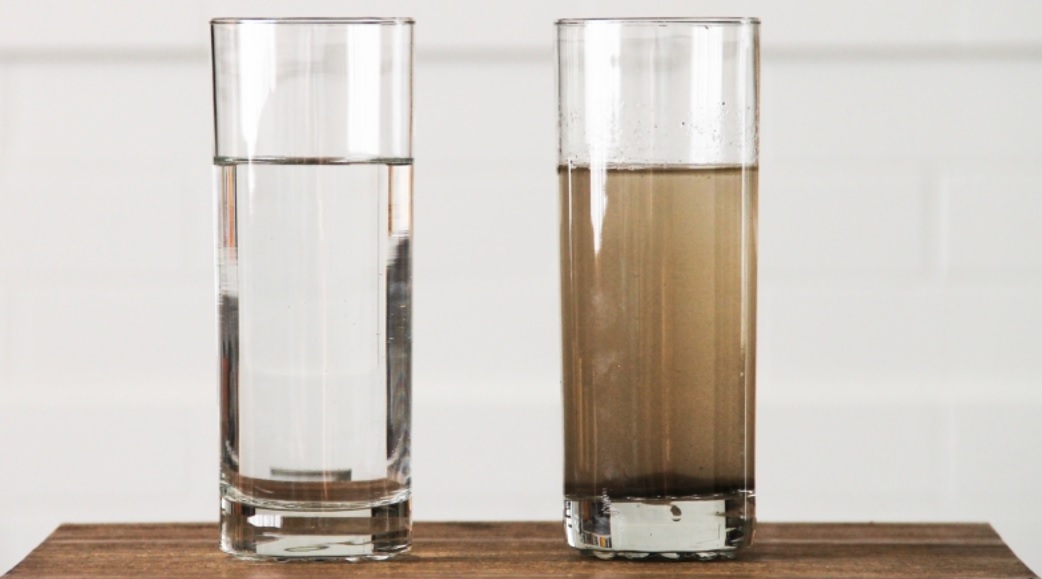
We often think of our home’s plumbing as a sealed, clean system—a closed loop that brings clear water to our taps without fail. However, the reality of residential plumbing is far more complex. Over time, pipes become a collection point for a variety of materials. This phenomenon, known as sediment buildup, is one of the most common reasons homeowners experience fluctuations in water quality and pressure.
If you have ever noticed your water running a murky color, or if your faucet pressure seems to be slowly declining, you are likely witnessing the accumulation of minerals, rust, and debris inside your home’s walls. Understanding how this happens and what you can do about it is essential for maintaining a healthy home.
Where Does the Sediment Come From?
Sediment buildup is rarely the result of a single factor. Instead, it is the cumulative result of various materials entering and interacting with your home’s plumbing system.
1. Municipal Supply and Infrastructure
Even the cleanest municipal water systems carry trace amounts of particulate matter. As water travels through the miles of city infrastructure that deliver water to your neighborhood, it can pick up sand, silt, or minerals. When this water enters your home’s service line, these particles can settle, especially in low-flow areas of your house.
2. The Chemistry of Corrosion
In many older homes, the pipes themselves are the source of the sediment. If your home has galvanized steel plumbing, the interior walls are prone to oxidation. Over decades, these pipes develop a thick layer of rust. This rust doesn’t just stay put; it eventually flakes off, creating iron-rich sediment that travels through your pipes and collects at the bottom of your water heater or behind the screens of your kitchen faucets. This deep connection between plumbing and corrosion is why older homes are disproportionately affected by water quality issues.
3. Mineral Deposits (Hard Water)
In areas with “hard” water—water rich in calcium and magnesium—mineral deposits can build up on the interior walls of pipes, a process known as scaling. Much like cholesterol in an artery, this scaling slowly narrows the diameter of the pipe, reducing water pressure and creating a rough surface that is perfect for trapping other debris.
The Symptoms: More Than Just “Brown Water”
While discolored water is the most visible sign of sediment buildup, it is far from the only one. Sediment can cause a chain reaction of plumbing frustrations:
- Decreased Water Pressure: As sediment accumulates, it physically blocks the path of the water. If you notice that your shower is no longer as strong as it used to be, it is a classic sign of internal pipe narrowing.
- Clogged Fixtures: The tiny, mesh screens at the end of your faucets (aerators) are the first line of defense against sediment. When these screens are full of grit and rust, your water will come out in a sputtering or uneven stream.
- Appliance Wear and Tear: Your dishwasher and washing machine have their own delicate valves and screens. When they are constantly fed water full of sediment, these internal components can fail prematurely, leading to expensive repairs.
- The “Why” Factor: If you have found yourself wondering why tap water turns brown only intermittently, it is often because that built-up sediment has been disturbed by a pressure change, forcing it to move through your system all at once.
The Impact on Your Home’s Health
The Environmental Protection Agency (EPA) notes that the secondary contaminants resulting from sediment—like iron and manganese—are primarily aesthetic. They impact how your water looks, tastes, and smells. However, ignoring these signs can lead to more severe structural issues. A pipe that is heavily restricted by mineral scale or rust is a pipe that is under significant stress. Eventually, these pipes are more prone to developing pin-hole leaks, which can lead to water damage within your walls and floors.
Managing and Reducing Buildup
While you cannot entirely stop the natural process of mineral accumulation, you can certainly manage it to protect your home.
1. Routine Maintenance
If you have a traditional tank-style water heater, sediment will inevitably collect at the bottom. Flushing your tank once a year is the best way to remove this buildup before it can travel to your other faucets. This simple step can significantly improve your water quality and extend the life of your appliance.
2. Point-of-Use Filtration
If you are worried about sediment in your drinking water, a high-quality carbon or sediment filter at your kitchen tap is a great solution. These filters catch the grit and rust before it reaches your glass, providing peace of mind for your daily consumption.
3. Whole-Home Systems
For homeowners in areas with particularly hard water or older, corroded pipes, a whole-home sediment filter can be a game-changer. These are installed where the main water line enters the house, capturing debris from the city supply and the service line before it ever gets a chance to enter your home’s internal distribution system.
4. Consult the Experts
Sometimes, the issue is not just surface-level grit. If your home has chronic pressure loss and persistent discoloration, your plumbing may be beyond the point of simple cleaning. Checking our frequently asked questions can help you determine when it is time to call in a professional to assess the integrity of your pipes.
Looking at the Long Term
If you find that your sediment issues are constant and your water pressure is significantly degraded, it may be a sign that your home’s plumbing is nearing the end of its useful life. In older homes, particularly those with galvanized steel, there is no “cleaning” the inside of the pipes to restore them to their original state.
When sediment becomes a recurring, daily problem, it is often an indicator that a partial or full repipe is the only permanent solution. While this is a significant project, it is an investment that resolves water quality issues, restores proper pressure, and increases the value of your home.
For those interested in learning more about the health of their plumbing systems, exploring our blog provides deeper insights into how different materials hold up over time and what modern solutions are available. You can also look into your local water service resources to understand the specific water chemistry in your area, which can help you customize your filtration needs.
Maintaining your home’s plumbing doesn’t have to be a mystery. By understanding that sediment is a natural part of a pipe’s lifecycle, you can take control of your water quality, protect your appliances, and ensure that your home’s “arteries” remain as clear as possible for years to come.
Disclaimer: This information is for educational purposes. If you suspect your plumbing issues are severe, or if you are concerned about lead or other contaminants, contact a licensed professional plumber or your local water utility for a formal water quality assessment.