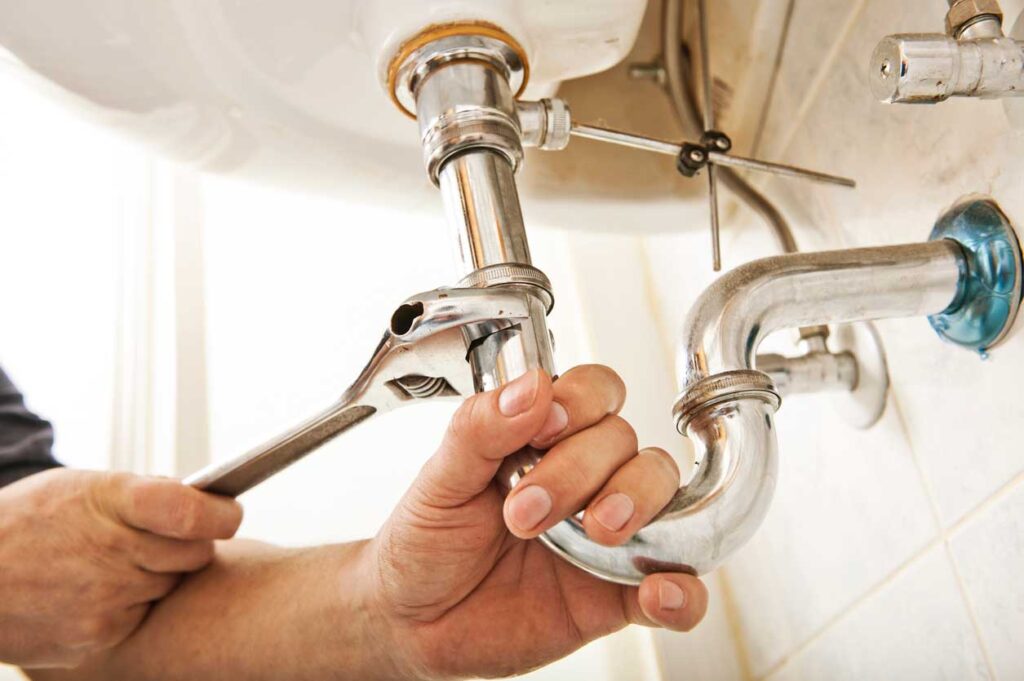
There is nothing quite as frustrating as finishing a plumbing repair only to turn on the tap and see a stream of murky, brownish, or tea-colored water. It feels counterintuitive: you hired a professional or did the work yourself to improve your home, yet the result is water that looks anything but clean.
While a temporary discoloration is a common side effect of plumbing intervention, it is an event that deserves your focused attention. Understanding why this happens and when it transitions from a “normal” part of the process to a signal of a deeper problem is key to maintaining a healthy home water system.
Why Plumbing Work Triggers Discoloration
To understand why water turns brown after a repair, you have to think about the environment inside your pipes. Plumbing systems are usually under constant pressure and are filled with a stable, flowing volume of water. When you shut off the main water valve, open a pipe, or replace a fixture, you drastically change that environment.
- Pressure Fluctuations: When you turn the water back on, the sudden rush of pressure can act like a scouring agent. It dislodges mineral deposits, iron, and manganese that have been clinging to the interior walls of your pipes for years. This sediment is then pushed through your system until it exits your faucets.
- Air Pockets and Turbulence: Opening a plumbing line introduces air. As the water rushes to fill the voids, it creates turbulence that stirs up settled particles in the bottom of the pipes.
- Pipe Disturbance: Even a minor repair, like replacing a valve or a section of pipe, requires moving the existing infrastructure. In older homes, simply touching or vibrating these pipes can cause flakes of internal rust to break loose.
This is a classic example of plumbing and corrosion in action. The pipes are revealing their age the moment they are disturbed.
The “Flush” Protocol
If you have just finished plumbing work, don’t panic. The discoloration is often temporary. You should follow a specific protocol to clear the system:
- Start at the Lowest Point: Begin by opening the cold water tap nearest to where the water enters your home.
- Move Upward: Work your way through the house, opening cold water faucets one by one, starting from the lowest level and moving to the highest.
- Flush the Aerators: If the water doesn’t clear after 10–15 minutes, the sediment might be caught in the aerator screens at the tips of your faucets. Remove them, rinse them, and put them back.
- Wait for Settlement: If the water is still cloudy, turn off all taps and let the system sit for an hour. This allows any remaining sediment to settle back down, which you can then flush out again later.
You can find more detailed troubleshooting steps in our FAQ section, which covers how to handle sediment after maintenance.
When to Be Concerned
While sediment is the most common culprit, brown water after work can sometimes point to deeper issues. You should pay extra attention if:
- The Water Won’t Clear: If you have flushed the system for 30 minutes and the water remains brown, it suggests a more significant problem, such as a damaged pipe, a broken valve, or a larger city infrastructure issue that may have been triggered by your work.
- Metallic Taste or Odor: If the water smells like rotten eggs or has a distinct metallic taste, it is not just sediment. This could indicate a chemical reaction with new materials, or that the repair has exposed deeper pipe degradation.
- Persistent Leaks: Brown water can sometimes accompany micro-leaks in the pipe that were disturbed during the repair.
If the discoloration is accompanied by these symptoms, you need to revisit the why tap water turns brown guide to see if your experience matches the symptoms of advanced pipe decay.
Why You Must Follow Up
In many homes, especially older ones, “plumbing work” is often a patchwork of different materials—copper meeting old galvanized steel, or PEX integrated into iron systems. These different materials can react chemically, especially if the repair wasn’t sealed perfectly.
Ignoring brown water after a repair can lead to:
- Equipment Damage: Sending sediment through your high-end appliances, such as dishwashers or water filtration systems, can ruin them.
- False Sense of Security: If you don’t ensure the water is truly clear, you might be unknowingly consuming sediment that has been accumulating for decades.
- Need for Further Repair: If the brown water is a sign of a bad repair, the sooner you address it, the less damage you will cause to your home’s structure.
Empowerment Through Documentation
If you hired a professional plumber, document the event. If they finished the job and the water was clear, but it turned brown the next day, they need to know. It helps them diagnose if they accidentally disturbed a larger segment of your plumbing.
If you are a DIY enthusiast, use this as a learning moment to check the condition of your pipes. If you are constantly finding rust after minor repairs, it may be time to consult our resources and consider a more comprehensive plumbing audit.
Your home’s water system is a complex, delicate network. When you perform work on it, you are effectively “waking up” the system. Make sure it settles back down into a state of clarity, and if it doesn’t, don’t be afraid to keep digging for answers.
For more tips on how to manage your home’s water quality and maintenance, keep following our blog.