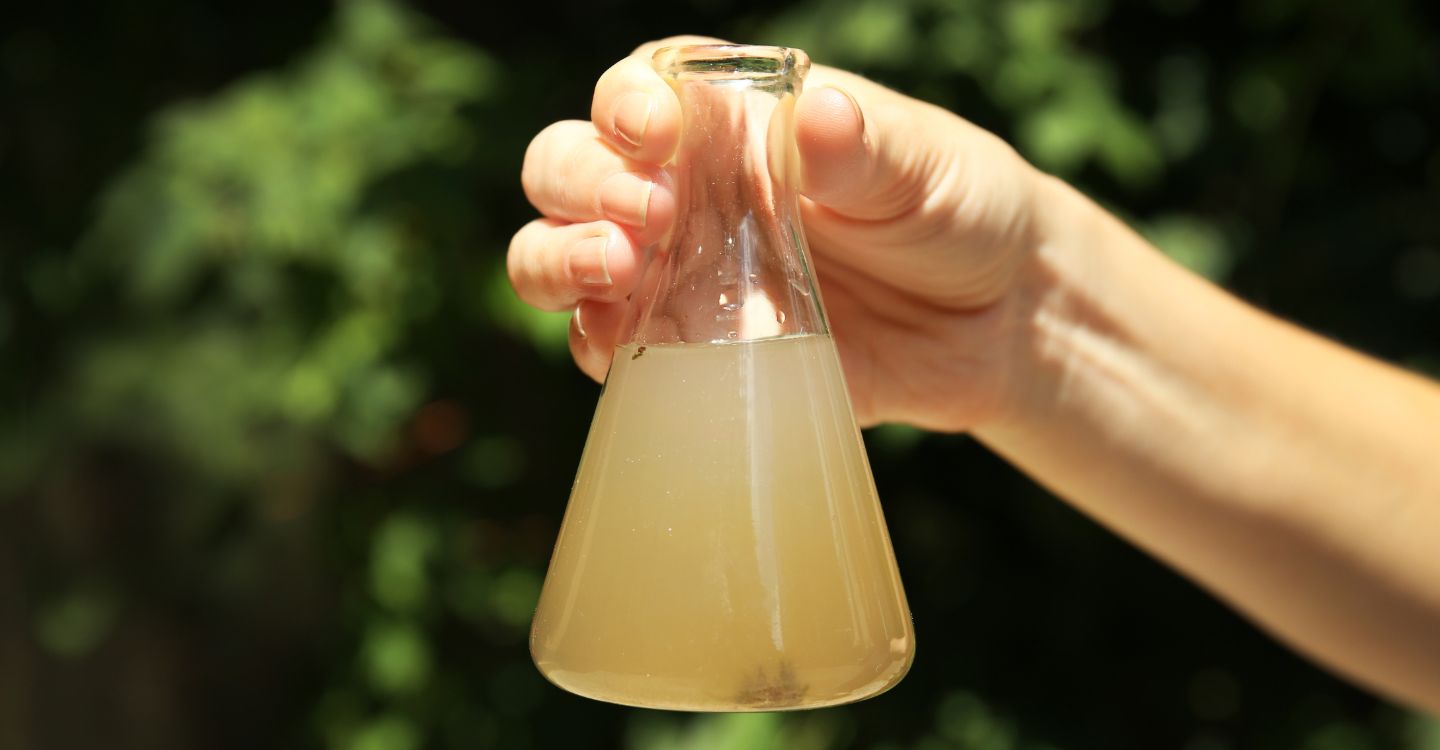
Turning on your faucet in a Manhattan apartment and seeing brown or discolored water is a jarring experience. While New York City’s water is widely regarded as some of the cleanest and most reliable in the United States, our city’s aging infrastructure means that occasional water discoloration is a reality many residents will eventually face.
When this happens, it is important to understand what the water is telling you. More often than not, it is a message about your building’s plumbing rather than the city’s water supply itself.
The Common Culprits
In most cases, brown or orange water is caused by iron, manganese, or rust particles. These minerals are naturally occurring, but when they are disturbed, they turn the water a discolored shade.
- Temporary Utility Disturbances: If there is construction, a water main break, or routine fire hydrant flushing nearby, the sudden change in water pressure can stir up sediment that has settled in the city’s underground pipes. This is typically a city-wide or neighborhood-level event and usually resolves within a few hours.
- Building-Specific Issues: If your neighbors aren’t experiencing the same issue, the problem is likely internal. Older Manhattan buildings often feature galvanized steel or iron piping that corrodes over time. This rust flakes off into the water supply, especially when there is a sudden change in water usage or pressure.
- Water Heater Sediment: If you notice that only your hot water is brown, the issue is likely sediment buildup inside your building’s or apartment’s hot water heater. Over time, minerals settle at the bottom of the tank, and when demand is high, this sediment gets pushed through the lines.
Is It Safe to Drink?
The New York City Department of Environmental Protection (DEP) advises that while discolored water is generally not harmful, you should not drink or cook with it while it is visibly discolored.
Though the discoloration itself is usually an aesthetic issue related to rust or minerals, it can occasionally signal the presence of other concerns, such as lead, especially in older buildings with aging service lines. Because of this, it is best to err on the side of caution.
Steps to Take When Your Water Turns Brown
If you see brown water in your sink or shower, follow these steps to troubleshoot the situation:
- Flush Your Faucets: Run your cold water for 2–3 minutes. Often, this is enough to clear out the stagnant, sediment-heavy water sitting in your pipes.
- Check Your Neighbors: Ask a neighbor or your building superintendent if they are experiencing the same issue. If the whole building is affected, it is likely a municipal disturbance. If it is only your unit, the issue is internal to your apartment’s plumbing.
- Clean the Aerator: Sometimes, rust particles get trapped in the screen (aerator) at the tip of your faucet. Unscrew it and rinse it out to see if the water flow and clarity improve.
- Notify Management: If the issue persists for more than a few hours, notify your building superintendent or property management immediately. They may need to inspect the building’s water heater or internal lines.
- Report to 311: If the problem continues after speaking with management, call 311 or use the NYC 311 online portal to file a report. This helps the DEP track patterns in the local water system.
When to Be Concerned
While most cases of brown water are temporary, you should seek further investigation if:
- The water remains brown after extensive flushing.
- You notice an unusual odor or a metallic taste.
- Your building is particularly old and you are concerned about potential lead exposure. You can request a free lead test kit by calling 311 or visiting the NYC DEP website.
Proactive maintenance is key. If you live in an older building, stay informed about any scheduled water shut-offs or maintenance in your area. By understanding the difference between a temporary surge in sediment and a chronic plumbing issue, you can ensure that your tap remains a source of clean, safe water.
Are you experiencing persistent water issues or concerned about the state of your building’s infrastructure? Explore our resources and FAQ sections for more information on managing your home’s water quality.