A Homeowner’s Guide to Brown Water From the Faucet
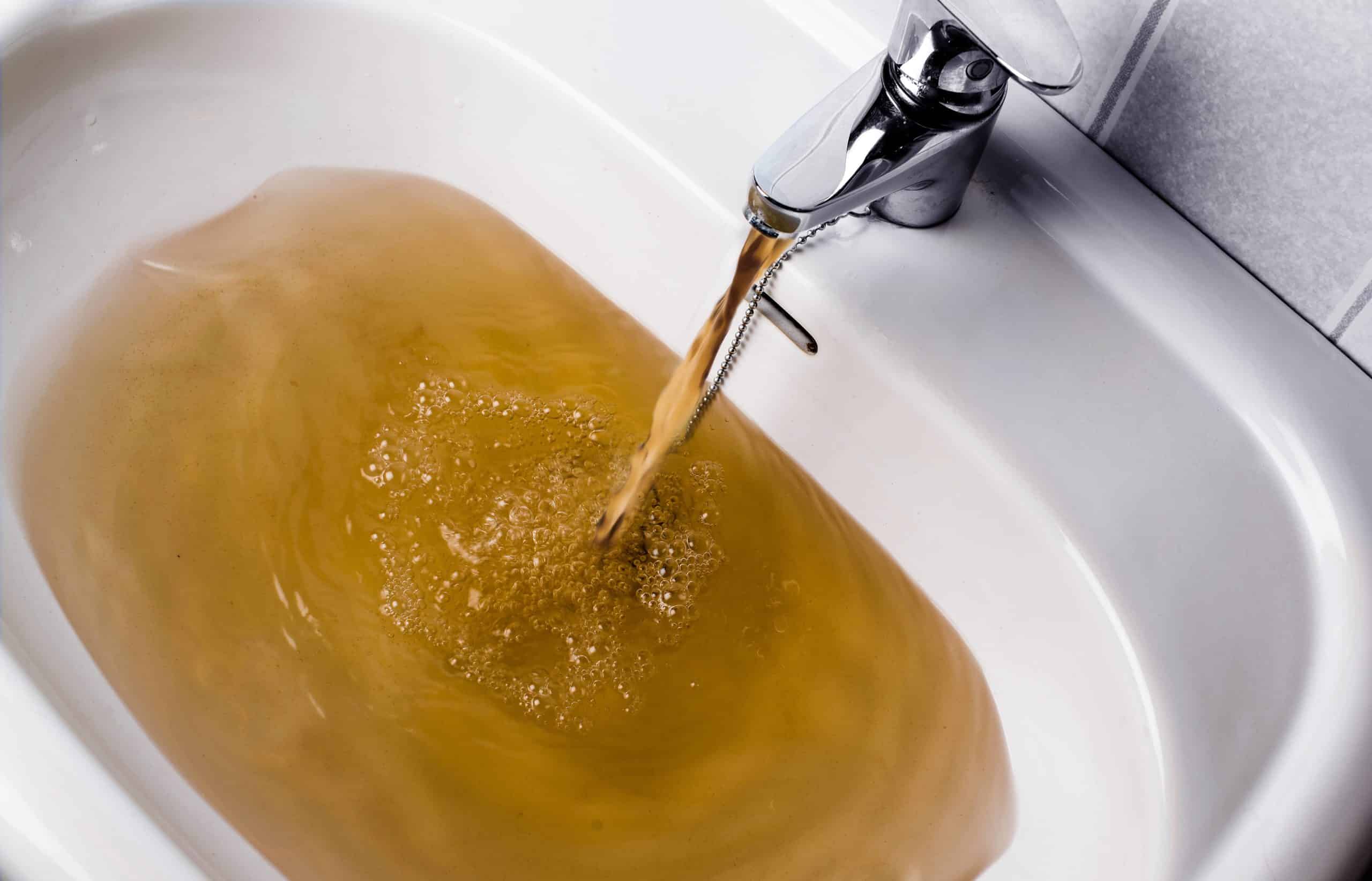
Few things are as immediately alarming as turning on your kitchen or bathroom faucet, expecting clear water, and instead being greeted by a stream of brownish, tea-colored, or murky liquid. It is a startling sight that stops any household in its tracks. Beyond the aesthetic concern and the ruined laundry, brown water often raises immediate questions: Is this safe? What is happening in my pipes? And how do I fix it?
For the homeowner, brown water is more than just a nuisance; it is a signal. Your plumbing system is communicating with you, and understanding that message is the first step in restoring the safety and reliability of your home’s water supply.
Why Is My Water Brown?
The discoloration of tap water is almost always caused by the presence of sediments or minerals. When water is discolored, it is rarely a sign of a single, mysterious problem. Instead, it is usually the result of a disturbance in the distribution system or the internal plumbing of your home.
1. Disturbance in the Mains
Often, brown water is a temporary issue caused by city-wide events. Water main breaks, fire hydrant flushing, or construction work can stir up sediment—typically iron and manganese—that has settled at the bottom of aging pipes. Because the flow of water is suddenly disrupted or redirected, these particles are pushed into the residential supply.
In these cases, the water usually clears up after a few hours once the sediment has been flushed out of the lines. You can learn more about how city infrastructure influences these events and what role municipal maintenance plays in your home’s water quality.
2. Internal Plumbing Issues
If your neighbors don’t have brown water but you do, the problem is likely isolated to your home. Aging galvanized steel pipes are a common culprit. Over decades, the inside of these pipes can rust, flake, and corrode. When you turn on a high-pressure faucet, this buildup can break loose and end up in your glass.
When you notice consistent discoloration, it is crucial to investigate plumbing and corrosion to determine if your pipes are reaching the end of their functional lifespan.
3. The Danger of Silent Contaminants
While rust and sediment are the most common reasons for brown water, they aren’t the only ones. In some cases, the same corrosion that turns your water brown can also be leaching heavy metals, such as lead, into the water supply. Because lead is invisible, tasteless, and odorless, the presence of brown water can sometimes serve as a warning sign that the pipe chemistry is compromised.
Immediate Steps to Take
If you walk to the tap and see brown water, don’t panic, but do take immediate action to protect your family and your appliances.
- Stop Using the Water: Avoid drinking, cooking with, or bathing in the discolored water until you determine the cause.
- Check the Source: Turn on both cold and hot water faucets in different parts of the house. If all faucets are brown, the issue is likely with the main supply. If it only happens when you turn on the hot water, the problem is almost certainly your water heater.
- Run the Cold Water: If the cause is a temporary municipal issue, running the cold water for 15 to 20 minutes can help flush the sediment out of your lines.
- Consult the Experts: If the water remains brown after several hours, it is time to look into why tap water turns brown more deeply or contact a local plumbing professional to inspect your home’s interior lines.
When to Be Concerned
A temporary brown tint after a water main break is often harmless, though inconvenient. However, there are scenarios where brown water should trigger a more serious response:
- Persistent Discoloration: If your water is consistently yellow or brown, it suggests a chronic issue with pipe corrosion that will not resolve on its own.
- Changes in Taste or Smell: If the water tastes metallic or has an unusual odor, do not consume it.
- Health Concerns: If you have infants, young children, or individuals with compromised immune systems in the home, it is safer to rely on bottled or filtered water until you have received a clean report from a certified testing laboratory.
We have compiled a list of common FAQ entries to help you determine if your specific situation requires a water quality test or a call to a professional plumber.
Long-Term Prevention and Maintenance
Maintaining a clean water supply is an ongoing process of monitoring and maintenance. Homeownership comes with the responsibility of ensuring that the water entering your family’s bodies is free from harmful contaminants.
- Monitor Your Infrastructure: Be aware of the age of your home’s plumbing. If your home was built before the 1970s, it may be time to have a professional audit your plumbing materials.
- Filter Properly: Not all filters are created equal. If you are concerned about heavy metals or sediment, ensure you are using a filtration system certified by NSF International to address your specific water issues.
- Use Available Resources: Don’t navigate water quality concerns alone. Explore our resources to find information on testing kits and how to read your local water quality reports.
Water is the lifeblood of your home, and while brown water is an unpleasant surprise, it is also a reminder that your home’s systems require care. By staying informed, conducting regular checks, and knowing when to call for professional help, you can ensure that your faucets deliver exactly what they should: clean, safe water.
For more guidance on maintaining your home’s water quality, be sure to check out the rest of our blog.